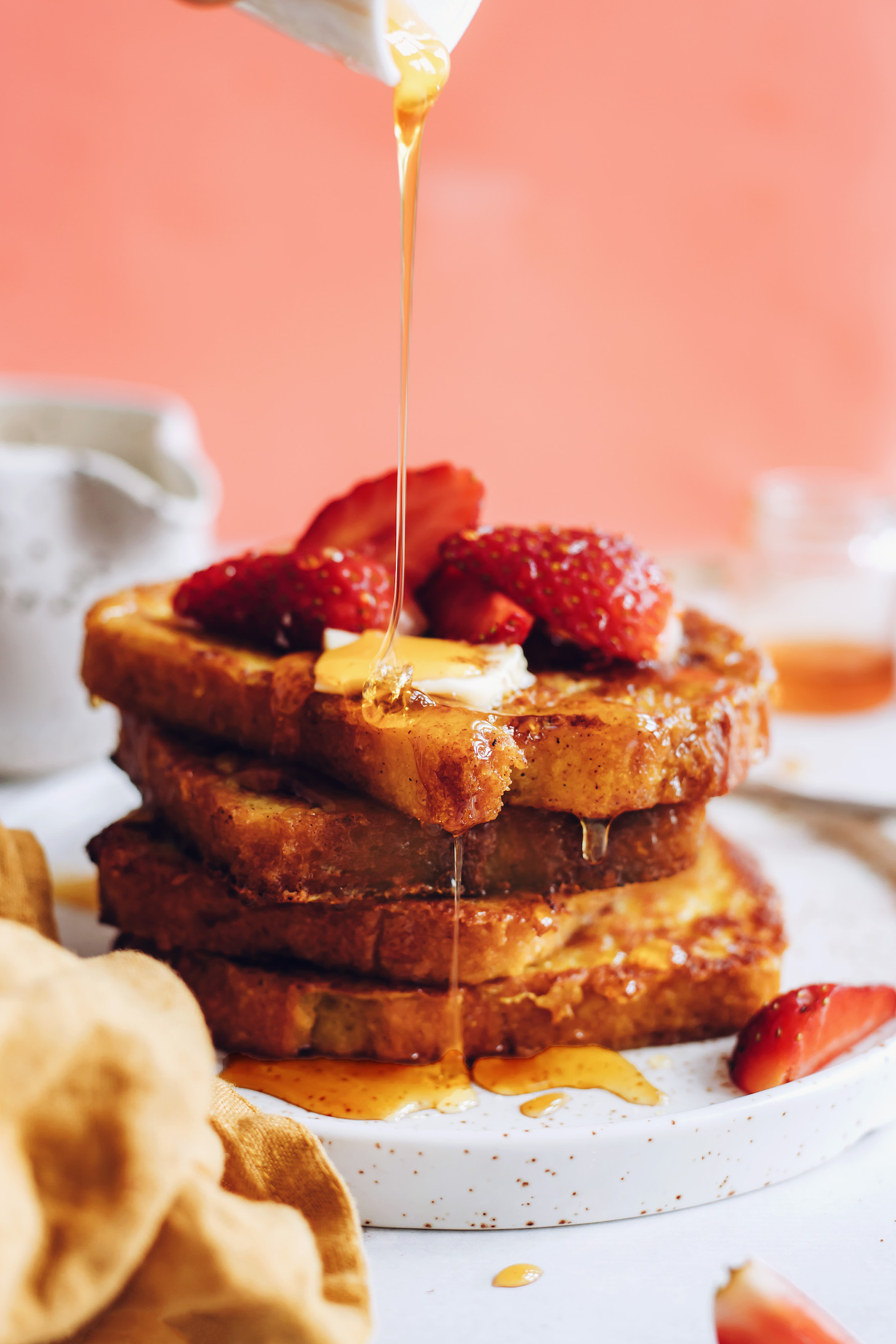
Unlock the Secret to Irresistibly Fluffy Vegan French Toast
For many, the idea of French toast conjures images of custardy centers, crispy edges, and an undeniable fluffiness – often attributed to eggs. But what if we told you that achieving perfectly fluffy vegan french toast is not only possible but remarkably simple with the right techniques? Gone are the days of soggy, flat, or bland plant-based attempts. This comprehensive guide will equip you with all the secrets, tips, and tricks to transform your morning routine and impress even the most discerning brunch enthusiasts.
Whether you're new to vegan cooking or a seasoned pro looking to perfect your breakfast repertoire, mastering this classic is a game-changer. Get ready to dive into the art and science behind truly exceptional vegan french toast, every single time.
The Foundational Element: Choosing and Preparing Your Bread
The journey to fluffy vegan French toast begins with your bread. It's not just a vehicle for the batter; it's an active participant in achieving that coveted texture. Forget fresh, soft loaves for this particular endeavor – day-old or slightly stale bread is your best friend. Why? Stale bread has a firmer structure and less moisture, allowing it to absorb the custardy batter without falling apart or becoming a soggy mess.
- Thick-Cut Brioche (Vegan Version): If you can find a vegan brioche loaf, its rich, buttery texture and sturdy crumb make it an ideal choice for a luxurious French toast experience.
- Sourdough: For a delightful tang and a resilient structure, sourdough is an excellent option. Its airy pockets absorb the batter beautifully.
- Challah (Vegan Version): Another braided bread that, when stale, provides a wonderful base for absorption and holds its shape well during cooking.
- Classic White Bread: A good quality, thick-cut white bread can also yield fantastic results, especially if it's slightly firm.
- Whole Wheat/Grain Breads: While often denser, some varieties can work if they are on the firmer side and allowed to dry out sufficiently.
Pro Tip: If your bread isn't stale enough, simply slice it the night before and leave it uncovered on your counter. Alternatively, you can lightly toast the slices in a low oven (around 250°F / 120°C) for 10-15 minutes, flipping halfway, to dry them out a bit before dipping.
Crafting the Ultimate Vegan Custard Batter
This is where the magic truly happens. The batter for vegan french toast needs to replicate the binding, richness, and slight eggy flavor that traditional recipes get from eggs. Fortunately, a blend of plant-based ingredients can achieve this and more.
Essential Components for a Rich Batter:
- Plant-Based Milk: Opt for creamier varieties like full-fat oat milk, soy milk, or cashew milk for a richer taste and mouthfeel. Almond milk works too but might result in a slightly lighter consistency.
- Egg Replacements & Binders:
- Silken Tofu: This is a secret weapon for creaminess and a protein boost. Blended silken tofu provides an incredibly smooth, custard-like texture.
- Chickpea Flour (Garbanzo Bean Flour): A fantastic choice for adding an 'eggy' flavor and helping the batter bind and crisp up. Start with a couple of tablespoons.
- Cornstarch or Arrowroot Powder: These act as thickening agents, preventing a watery batter and ensuring it adheres well to the bread.
- Flaxseed Meal or Chia Seeds (optional): A tablespoon of ground flaxseed or chia seeds, when allowed to sit in the batter, creates a gelatinous consistency that aids binding.
- Sweeteners: Maple syrup, agave nectar, or granulated sugar (ensure it's vegan) are perfect for adding sweetness directly into the batter.
- Flavor Enhancers:
- Vanilla Extract: Non-negotiable for that classic French toast aroma and taste.
- Cinnamon & Nutmeg: These warm spices are traditional companions and elevate the flavor profile. A pinch of cardamom can also be delightful.
- A Pinch of Salt: Crucial for balancing the sweetness and enhancing all other flavors.
The Secret Ingredient for Fluffiness:
To truly achieve that airy, fluffy texture, consider adding one of these to your batter:
- Baking Powder: A teaspoon of baking powder, especially when combined with a slightly acidic plant milk (like some oat milks or if you add a tiny dash of apple cider vinegar), will create small air pockets, making your toast lighter.
- Sparkling Water or Seltzer: Replacing a small portion of your plant milk (e.g., ¼ cup) with sparkling water just before dipping can introduce tiny bubbles that result in a surprisingly light and airy interior.
To ensure your vegan french toast batter is perfect, blend all ingredients (especially if using silken tofu) until completely smooth. A smooth batter ensures even coating and prevents lumps. For a complete walkthrough of the process, including precise measurements, check out our guide on Master Vegan French Toast: A Step-by-Step Guide.
Mastering the Soak and Sizzle: Cooking Techniques
You've got the perfect bread and the most delicious batter – now it's time to bring it all together. The cooking process is just as vital as the ingredients for ensuring your fluffy vegan french toast reaches its full potential.
The Art of Soaking:
This step requires a delicate balance. Too little soaking, and you'll have dry patches in the center. Too much, and your toast will be soggy and fall apart. The ideal soaking time depends heavily on your bread's thickness and staleness.
- For thinner or less stale bread: Dip each side for about 10-15 seconds.
- For thick-cut, day-old, or very stale bread: You might need 30-60 seconds per side, or even a minute or two, ensuring the batter fully saturates the crumb without making it mushy.
Test Tip: Gently squeeze a corner of the soaked bread. It should feel saturated but still hold its shape firmly. Excess batter can be gently shaken off before transferring to the pan.
The Sizzle: Pan Frying to Perfection:
- Preheat Your Pan: Heat a non-stick skillet or griddle over medium heat. This is crucial for even cooking and a beautiful golden-brown crust.
- Choose Your Fat: Use a generous pat of vegan butter, a drizzle of coconut oil, or a neutral high-heat oil like grapeseed or avocado oil. Ensure the pan is evenly coated.
- Cook in Batches: Do not overcrowd the pan. Give each slice ample space to cook properly and brown evenly. Overcrowding lowers the pan temperature and can lead to steaming instead of crisping.
- Monitor Heat: If your French toast is browning too quickly, lower the heat slightly. If it's taking too long to brown, increase it. The goal is a golden-brown exterior and a cooked-through, fluffy interior.
- Flip Once: Cook for 3-5 minutes per side, or until deeply golden brown and cooked through. Resist the urge to flip multiple times, as this can hinder crust development.
Keeping Warm: As you cook batches, you can keep the finished pieces warm in a preheated oven at a low temperature (around 200°F / 95°C) on a baking rack. This helps maintain crispiness while you finish cooking the rest.
Beyond its deliciousness, vegan French toast also offers a healthier alternative, a topic we delve into further in Vegan French Toast: Just as Delicious, Healthier Too.
Troubleshooting Common Issues and Pro Tips
Even with the best intentions, sometimes things don't go exactly as planned. Here are solutions to common challenges and additional tips for perfect vegan french toast:
Common Troubleshooting:
- Soggy Center: This is usually due to too much soaking or bread that wasn't stale enough. Reduce soaking time, use staler bread, or gently press out excess batter before cooking.
- Dry Interior: Not enough soaking, or the batter was too thick. Increase soaking time slightly or thin your batter with a touch more plant milk.
- Burns Too Quickly: Your pan is too hot. Lower the heat and ensure even heat distribution.
- Falls Apart: Bread might be too fresh, too thin, or over-soaked. Ensure you're using sturdy, slightly stale bread and managing soak time.
Pro Tips for Ultimate Fluffiness:
- Whisk Batter Vigorously: Especially if using chickpea flour, vigorous whisking can incorporate air, contributing to a lighter texture.
- Don't Skimp on Fat: A good amount of fat in the pan creates a beautiful, crispy crust that contrasts wonderfully with the fluffy interior.
- Serve Immediately: French toast is best enjoyed fresh off the griddle. Have your toppings ready!
- Experiment with Toppings: Elevate your fluffy vegan French toast with fresh berries, sliced bananas, a drizzle of maple syrup or fruit compote, vegan whipped cream, a sprinkle of powdered sugar, or even a dusting of cinnamon sugar.
Conclusion
Achieving truly fluffy vegan french toast is not just a dream – it's an attainable reality with the right knowledge and techniques. By carefully selecting your bread, crafting a rich and airy plant-based custard, and mastering the soaking and cooking process, you can create a breakfast or brunch that rivals any traditional version. Embrace these secrets, experiment with flavors, and get ready to enjoy a stack of golden-brown, custardy, and irresistibly fluffy vegan French toast that will have everyone asking for more. Happy toasting!
