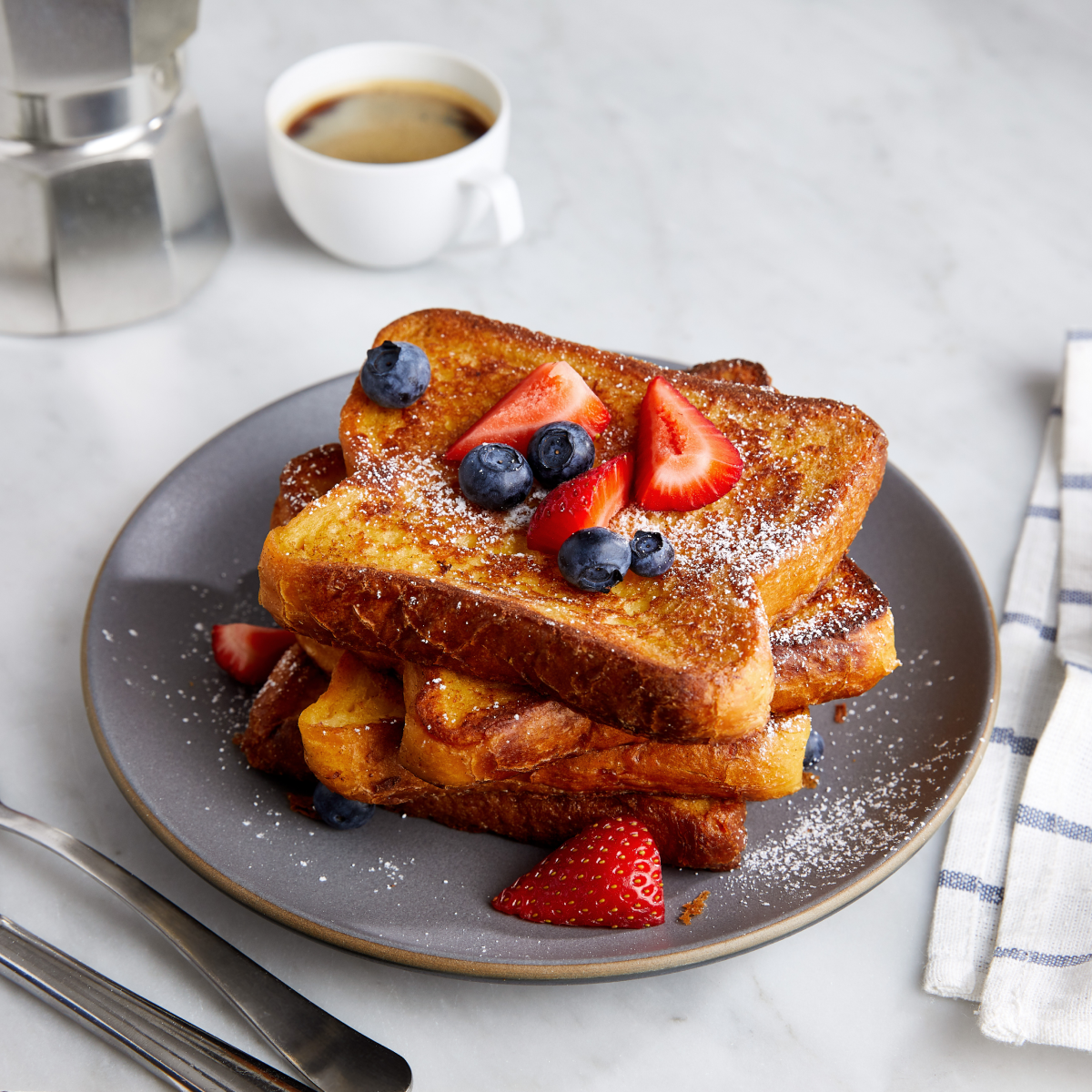
Vegan French Toast: Just as Delicious, Healthier Too
For many, French toast evokes memories of comforting weekend brunches, a golden-brown symphony of custardy bread, sweet syrup, and perhaps a dusting of powdered sugar. But what if we told you that this beloved breakfast classic could be just as decadent, incredibly satisfying, and even healthier, all while being completely egg and dairy-free? Welcome to the wonderful world of vegan French toast.
Far from being a compromise, a well-made vegan French toast stands shoulder-to-shoulder with its traditional counterpart, often surpassing it in terms of flavor complexity and nutritional benefits. Gone are the days when plant-based alternatives meant sacrificing taste or texture. Today, with smart ingredient swaps and a little culinary know-how, vegan French toast is a culinary triumph that’s both indulgent and wholesome. Prepare to have your breakfast expectations delightfully elevated.
The Myth of Missing Eggs: How Vegan French Toast Achieves Perfection
The immediate question that often arises when discussing vegan French toast is, "How can you make French toast without eggs?" It's a valid concern, as eggs typically play several crucial roles: providing structure, richness, a binding agent, and contributing to that desirable golden crust. However, the beauty of plant-based cooking lies in its ingenuity, offering an array of ingredients that perfectly replicate, and sometimes even enhance, these qualities.
The secret lies in a carefully crafted batter that mimics the properties of an egg-based one. Instead of animal products, we turn to the plant kingdom for components that offer similar functionalities:
- Plant-Based Milk: This forms the creamy base. Options like almond, soy, oat, or cashew milk provide the necessary moisture and richness. Soy milk and oat milk often offer a creamier texture, while almond milk is a lighter choice.
- Flaxseed Meal or Chia Seeds (The "Vegan Egg"): When mixed with water, ground flaxseed or chia seeds create a gelatinous consistency that acts as an incredible binder. This "flax egg" or "chia egg" is essential for holding the bread together and contributing to the custardy interior.
- Flour or Starch: A small amount of all-purpose flour, cornstarch, or arrowroot powder helps to thicken the batter, ensuring it adheres well to the bread and contributes to a slightly crisp exterior when cooked. It also prevents the bread from becoming overly soggy.
- Natural Sweeteners & Spices: Maple syrup, agave nectar, or a touch of sugar provide sweetness, while vanilla extract, cinnamon, nutmeg, and a pinch of salt are crucial for developing that warm, comforting flavor profile we expect from French toast.
- Optional Enrichments: For an extra layer of richness and creaminess, some recipes incorporate silken tofu (blended smooth), mashed banana, or a touch of plant-based yogurt. These additions can elevate the texture to new heights, making your egg-free French toast truly luxurious.
By combining these elements, a truly remarkable batter is formed – one that perfectly coats the bread, caramelizes beautifully, and delivers an irresistible taste and texture, proving that eggs are simply not a prerequisite for French toast perfection.
Beyond Delicious: The Health Advantages of Going Vegan with Your French Toast
While the deliciousness of vegan French toast is undeniable, its health benefits are equally compelling. Swapping out eggs and dairy for plant-based alternatives significantly transforms the nutritional profile of your breakfast, making it a smarter choice for your body without compromising on satisfaction.
Here’s how opting for a plant-based French toast can positively impact your health:
- Zero Cholesterol: Traditional French toast, made with eggs, can contribute a significant amount of dietary cholesterol. Vegan French toast, by its very nature, contains no cholesterol, making it an excellent choice for individuals monitoring their heart health.
- Lower Saturated Fat: Plant-based milks and vegan butter alternatives typically contain less saturated fat compared to dairy milk and conventional butter. Reducing saturated fat intake is a key recommendation for maintaining healthy cholesterol levels and reducing the risk of heart disease.
- Increased Fiber Content: The inclusion of flaxseed meal or chia seeds in the batter, along with the option of using whole-grain bread, dramatically boosts the fiber content of your French toast. Fiber is crucial for digestive health, blood sugar regulation, and promoting feelings of fullness, which can aid in weight management.
- Rich in Plant-Based Nutrients: By incorporating ingredients like nuts (in almond milk), seeds (flax, chia), and often whole grains, you're loading your breakfast with essential vitamins, minerals, and antioxidants that are abundant in plant foods. These nutrients support overall health, boost immunity, and provide sustained energy.
- Easier on Digestion: For those sensitive to dairy or eggs, a plant-based French toast can be much easier to digest, preventing common issues like bloating or discomfort often associated with traditional breakfast foods.
- Customizable for Dietary Needs: It’s incredibly easy to make vegan French toast gluten-free by simply choosing gluten-free bread, or lower in sugar by adjusting the sweetener. This flexibility makes it accessible to a wider range of dietary preferences and needs.
Embracing vegan French toast means you can enjoy a truly indulgent breakfast treat that not only tastes incredible but also aligns with a health-conscious lifestyle, proving that you don't have to choose between deliciousness and well-being.
Crafting Your Perfect Vegan French Toast: Tips for Success
Making truly exceptional vegan French toast is an art that, once mastered, will transform your brunch game. It’s about more than just dipping bread in batter; it’s about understanding the nuances that lead to that perfect golden-brown exterior and custardy interior. For a detailed walkthrough on mastering the process, check out our Master Vegan French Toast: A Step-by-Step Guide. And if you're aiming for that irresistible airy texture, our article on Secrets to Fluffy Vegan French Toast Every Time offers invaluable tips.
Choosing the Right Bread
The foundation of great French toast is, undoubtedly, the bread. Not all breads are created equal when it comes to soaking up batter and holding their shape. Here’s what to look for:
- Sturdy, Thick Slices: Opt for breads like challah-style vegan bread, brioche-style vegan bread, sourdough, or Texas toast. These varieties are robust enough to absorb the batter without falling apart.
- Day-Old Bread is Best: Slightly stale bread is ideal because it's drier and less likely to become soggy. Fresh, soft bread can turn mushy when soaked. If your bread is fresh, you can gently toast slices in an oven for 5-10 minutes at 250°F (120°C) to dry it out slightly.
- Consider Texture: A bread with a slightly denser crumb will absorb the batter more evenly and create a better texture.
Achieving the Ideal Batter Consistency
The batter is the soul of your vegan French toast. Its consistency is key:
- Not Too Thin, Not Too Thick: A batter that’s too thin won’t coat the bread properly, leading to bland, uninspired toast. Too thick, and it will be heavy and gluey. Aim for a consistency similar to thin pancake batter or heavy cream.
- Adjust as Needed: If your batter is too thick, add a splash more plant milk. If it's too thin, whisk in a tiny bit more flour or cornstarch. Remember that flaxseed meal or chia seeds will continue to thicken the batter as it sits, so allow it to rest for 5-10 minutes before dipping.
- Flavor Balance: Don't skimp on the vanilla and cinnamon! These are essential for that classic French toast taste. A pinch of salt also helps to round out the sweetness.
Cooking Techniques for Golden Perfection
The way you cook your plant-based French toast makes all the difference:
- Preheat Your Pan: A medium-hot griddle or non-stick pan is crucial. If the pan isn't hot enough, the toast will soak up too much oil and become greasy. If it's too hot, the outside will burn before the inside is cooked through.
- Use Vegan Butter or Oil: Lightly grease your pan with vegan butter, coconut oil, or a neutral high-heat oil (like avocado oil) for a rich flavor and non-stick surface.
- Don't Overcrowd: Cook 1-2 slices at a time, depending on your pan size. Overcrowding lowers the pan's temperature and steams the French toast instead of searing it, preventing that beautiful golden crust.
- Cook Until Golden: Cook for 3-5 minutes per side, or until each side is beautifully golden brown and cooked through. The exact time will vary based on your bread thickness and pan temperature.
- Keep Warm: As you cook batches, you can keep the finished slices warm on a baking sheet in a low oven (around 200°F/90°C) while you finish the rest.
With these practical tips, you’re well on your way to creating consistently delicious and perfectly cooked vegan French toast that will impress even the most discerning palates.
Creative Toppings and Variations to Elevate Your Brunch
While a simple drizzle of maple syrup and a dusting of powdered sugar are always delightful, one of the joys of vegan French toast is its incredible versatility. The mild, sweet base provides a perfect canvas for a myriad of toppings and flavor variations, allowing you to customize your brunch experience to your heart's content. Don't be afraid to get creative and experiment!
Classic & Fruity Enhancements:
- Fresh Berries: Strawberries, blueberries, raspberries, and blackberries add a vibrant burst of color, freshness, and natural sweetness.
- Sliced Bananas: Caramelized bananas, either pan-fried or simply sliced fresh, are a fantastic pairing, adding creaminess and a tropical note.
- Fruit Compotes or Jams: Homemade berry compote (cooked down fruit with a touch of sugar) or a dollop of your favorite fruit jam can elevate the flavor profile.
- Lemon Zest: A grating of fresh lemon zest over the top before serving adds a bright, zesty counterpoint to the sweetness.
Creamy & Decadent Additions:
- Vegan Whipped Cream: A generous dollop of coconut whipped cream or store-bought vegan whipped topping creates a luxurious texture.
- Plant-Based Yogurt: A spoonful of plain or vanilla coconut, almond, or soy yogurt can add a lovely tang and creaminess.
- Nut Butters: A drizzle of warm peanut butter, almond butter, or cashew butter provides richness and a protein boost.
- Chocolate: Vegan chocolate chips, a drizzle of chocolate sauce, or grated vegan dark chocolate can turn your French toast into a dessert-like treat.
Crunchy & Textural Elements:
- Toasted Nuts: Pecans, walnuts, almonds, or even pistachios, lightly toasted, add a delightful crunch and nutty flavor.
- Granola: A sprinkle of your favorite vegan granola offers texture and an extra layer of flavor.
- Shredded Coconut: Toasted coconut flakes add a tropical crunch and aroma.
Savory Twists (for the adventurous!):
While less common, don't shy away from savory options for a truly unique experience. Think:
- A sprinkle of everything bagel seasoning for a salty, garlicky kick.
- Sliced avocado and a drizzle of sriracha for a modern, spicy take.
- Roasted cherry tomatoes and fresh basil for an Italian-inspired brunch.
No matter your preference, whether you stick to the timeless maple syrup or venture into more exotic flavor combinations, vegan French toast provides an endless array of possibilities to make your meal truly your own. Let your creativity soar and discover your ultimate topping combination!
Conclusion
From challenging the notion that eggs are indispensable to demonstrating a wealth of health advantages, vegan French toast has firmly established itself as a breakfast superstar. It proves that culinary innovation can lead to dishes that are not only equally delicious but often superior in their nutritional profile and ethical considerations. With its custardy interior, golden-brown crust, and endless possibilities for creative toppings, this plant-based delight offers a satisfying and indulgent experience without compromise.
So, next time you're craving that comforting brunch classic, step into the world of plant-based French toast. Experiment with different breads, perfect your batter, and discover the magic that happens when wholesome ingredients come together to create something truly extraordinary. You'll not only treat your taste buds but also nourish your body, making every bite a testament to delicious, healthier living.
